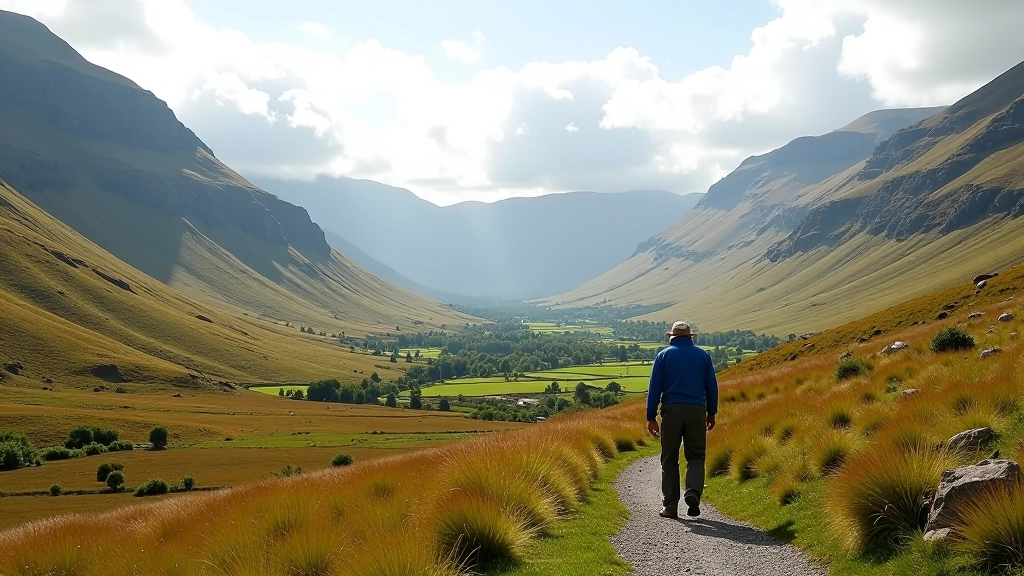
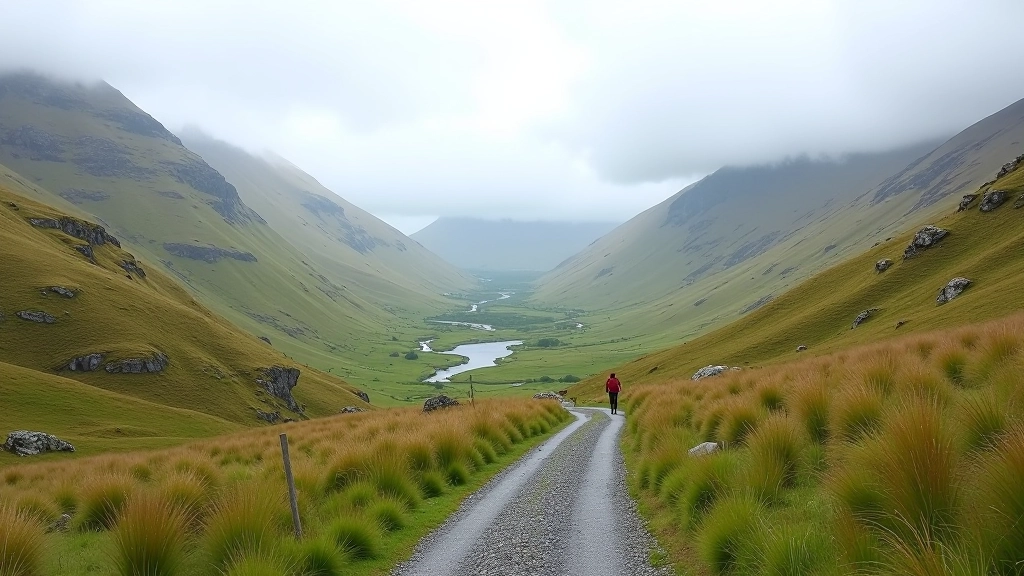
Gap of Dunloe: Ireland's Most Iconic Mountain Pass
Everything you need to know about walking through this legendary Kerry pass. Routes, terrain, and tips for all fitness levels.
Read Guide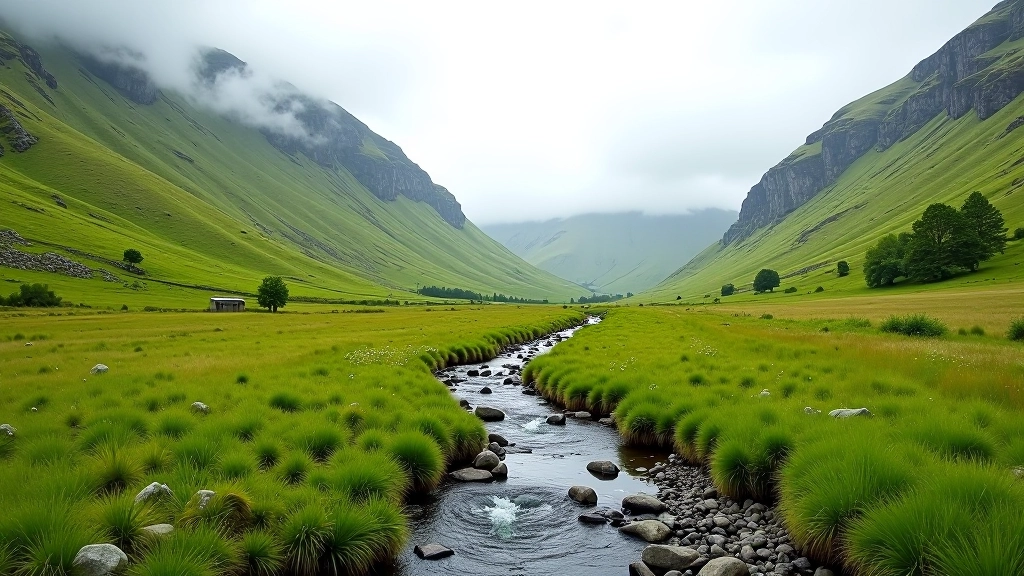
Glenmalure Valley offers one of Ireland's most rewarding walking circuits for intermediate hikers. The full loop is around 8 kilometers, which you'll typically complete in 3.5 to 4 hours depending on your pace and photo stops. What makes this valley special isn't just the distance — it's the dramatic scenery and the way the landscape changes as you move through it.
The valley itself sits in County Wicklow, nestled between some of Ireland's highest mountains. You'll walk through forest trails, cross mountain streams, and experience genuine wilderness that doesn't require extreme fitness to access. We've walked this route with people in their 60s and 70s who took their time and absolutely loved it.

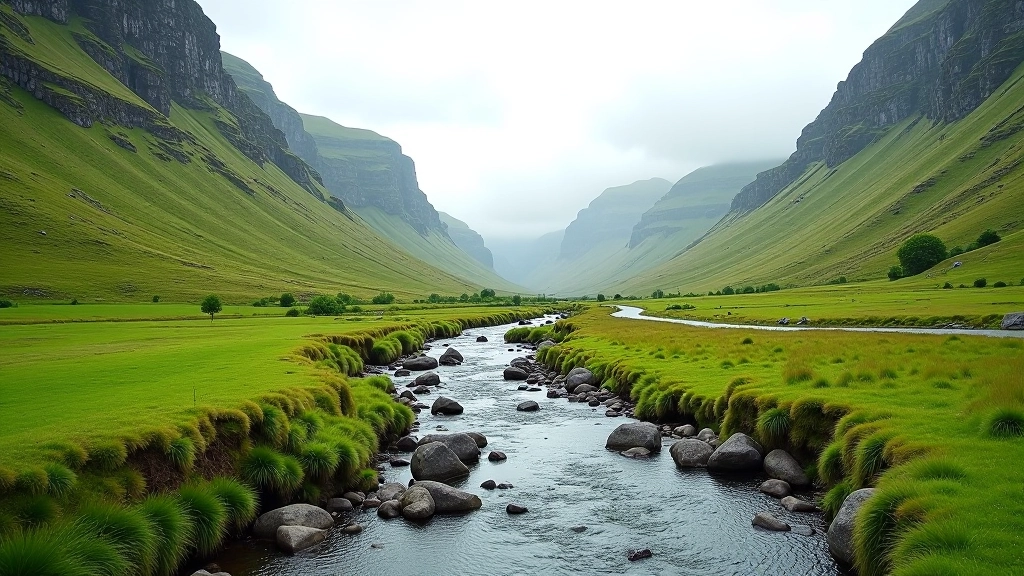
If you're new to Glenmalure, start with the valley floor section. This part of the circuit stays relatively low and follows a clear path alongside the Avonbeg River. It's where you'll see the most dramatic cliff faces — the valley walls rise steeply on both sides, creating this sense of walking through a natural cathedral.
The path here is well-maintained but can get muddy after rain. We recommend proper hiking boots with good ankle support, not trainers. The terrain is uneven with roots and small rocks, but nothing technically difficult. You'll cross the river twice on stepping stones — they're solid and not tricky, though they can be slippery when wet.
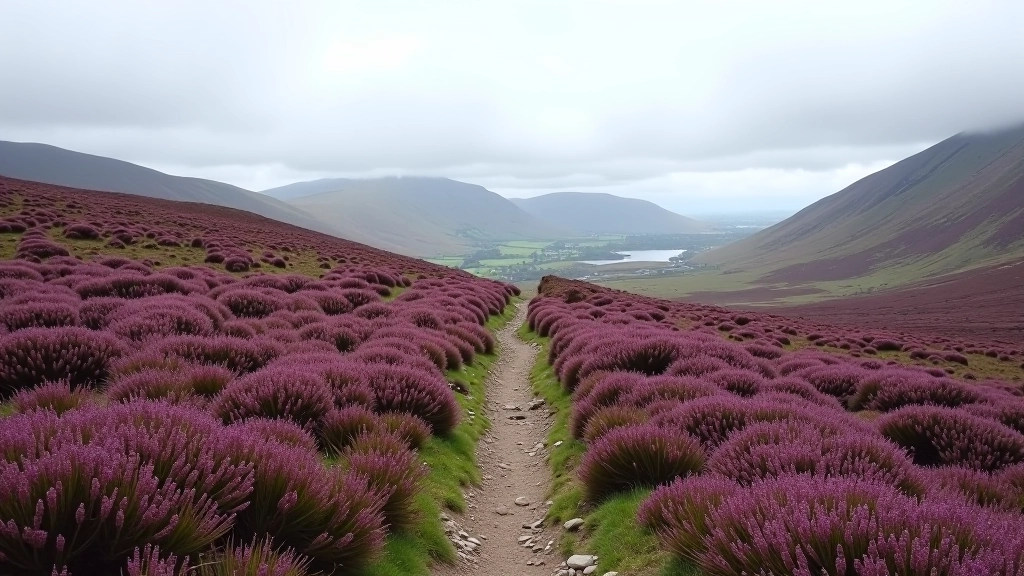
The second section is where you gain elevation. You'll leave the valley floor and climb onto the open moorland. This part feels completely different — suddenly you've got views across multiple valleys and you're walking through purple heather (stunning in late summer). The path is less sheltered, so wind can pick up here, but the surface is mostly good.
This is the more challenging section, but not drastically. The climb is steady rather than steep. Most walkers find their rhythm here — it's about 300 meters elevation gain over roughly 2 kilometers. Don't rush it. The views are genuinely spectacular, and you've earned them by the time you reach the top. You can see Lugnaquilla (the highest peak in Wicklow) from this section on clear days.
Pack water for this part — there's no stream access once you leave the valley floor. A 1-liter bottle per person is the minimum, 1.5 liters if you're walking slowly.
This guide provides educational information about the Glenmalure Valley Circuit. Individual fitness levels, weather conditions, and seasonal factors will significantly affect your experience. Always check weather forecasts before departing, bring proper navigation tools (map and compass or GPS device), and consider hiring a local guide if you're unfamiliar with mountain terrain. Trail conditions vary seasonally — what's described here applies to summer months. Winter and early spring bring different challenges including mud, ice, and reduced visibility.
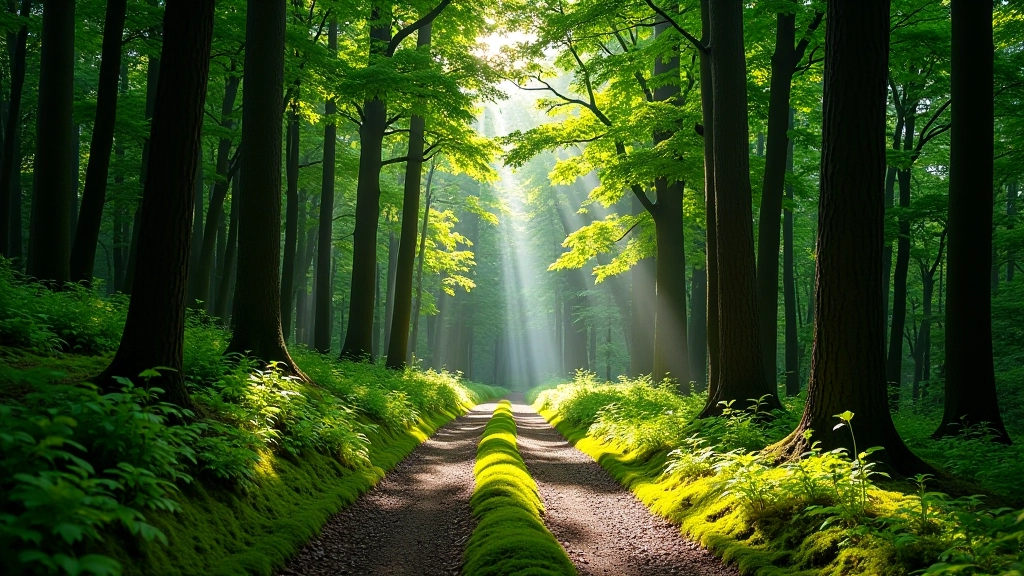
Coming down is easier on the legs than going up, but requires attention to footing. The descent path is well-worn and obvious — you can't really get lost here. It takes you back toward the valley and eventually into a pleasant forest section. This woodland walk is the gentlest part of the circuit. The path is soft underfoot (moss and needles), shaded, and peaceful.
You'll notice the temperature drops when you enter the forest, so if you've removed layers on the moorland, you might want to put them back on. The forest section is roughly 1.5 kilometers and takes about 30-40 minutes at a comfortable pace. This is where many walkers stop for a final rest before the last push back to the car park.
What you bring makes a real difference on this walk. Don't underestimate it. Start with a proper rucksack (30-40 liters) that fits your back comfortably — cheap backpacks leave you exhausted before you've gone a kilometer. Hiking boots aren't optional on Glenmalure; trainers will leave your feet sore and potentially twisted on uneven ground.
Layers are essential. Ireland's weather changes fast. You might start in sunshine and hit cloud within an hour. Bring a waterproof jacket (not a plastic poncho), a fleece or wool mid-layer, and a base layer that doesn't cotton. Merino wool or synthetic works best — cotton holds sweat and makes you cold.
Pack food that sustains you: nuts, dried fruit, energy bars, and a sandwich. Don't rely on vending machines or shops near the valley — there aren't any. A small first aid kit (plasters, blister treatment, pain relief) fits in a pocket and weighs nothing. Navigation: bring a physical map and know how to use it. Mobile signal is unreliable in the valley.
Glenmalure rewards patience. Don't rush the circuit. The people who enjoy it most are those who take time — who stop to listen to the river, who sit and look at the views, who notice the plants and birds. That's the actual experience of walking here, not just ticking a box.
Start early in the day. An 8 AM departure gives you daylight to spare and means you're off the mountain well before dark. The car park at Glenmalure fills up on weekends, so arrive early or consider a weekday visit. And honestly? It's worth going back. This circuit reveals different things in different seasons. Summer shows you the valley in full color. Autumn brings the light angles that photographers dream about. Even winter, when fewer people are around, has its own appeal.
Interested in other glen walks? Explore more accessible routes across Ireland's valleys.
Browse All Glen Walks