Gap of Dunloe: Ireland's Most Iconic Mountain Pass
Everything you need to know about walking through this legendary Kerry pass. Routes for different fitness levels, best seasons, and what to expect along the way.
01
What Makes the Gap Special
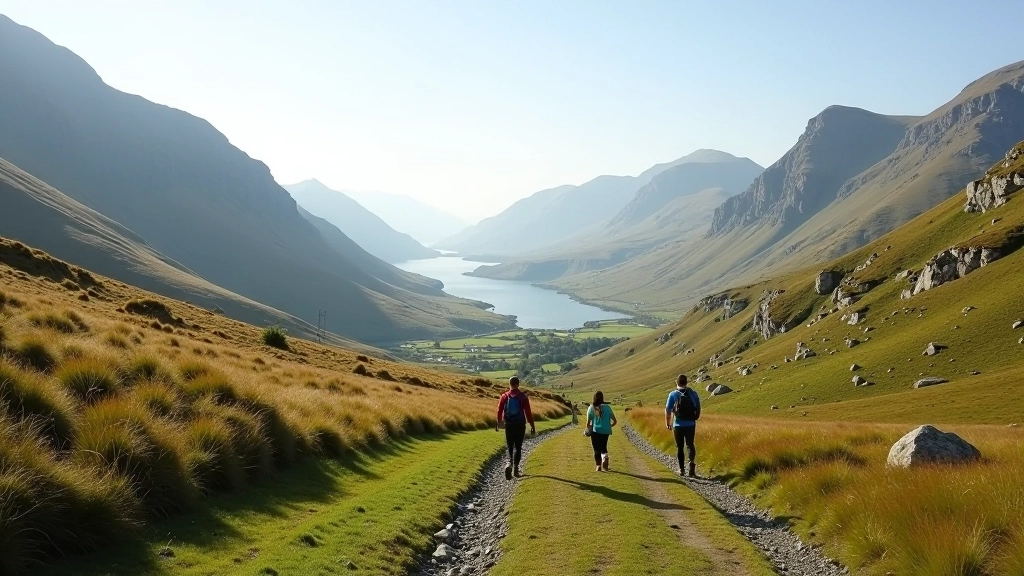
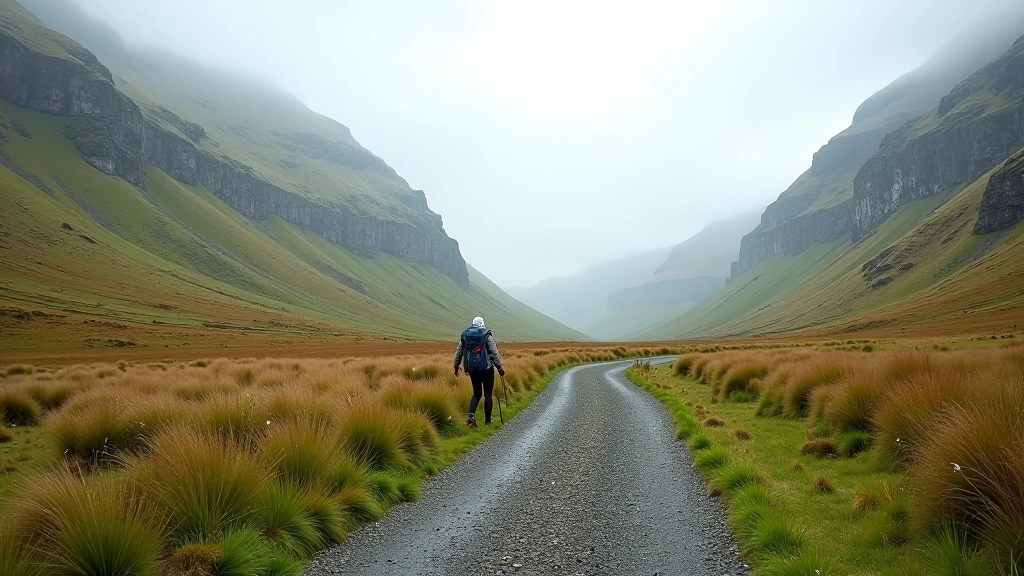
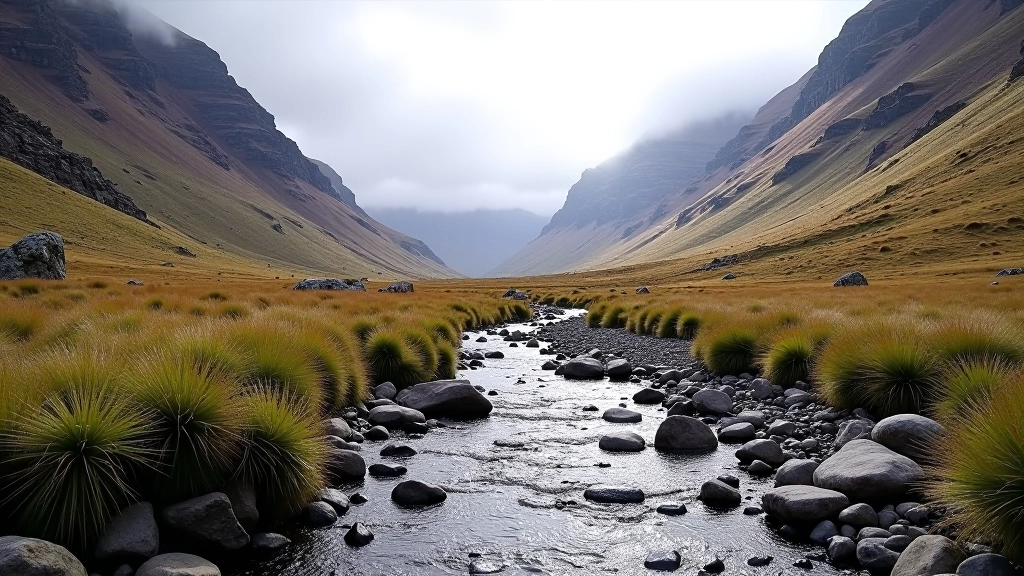
The Gap of Dunloe isn't just another mountain pass. It's a 6.5-kilometer corridor carved through the heart of County Kerry's Purple Mountains, connecting the towns of Beaufort and Killarney. You'll walk between towering cliff faces that rise 300 meters on either side, with a fast-flowing stream running alongside for much of the journey.
What makes it truly special is the combination of dramatic scenery and accessibility. You don't need serious mountaineering skills or extreme fitness. The path is well-established, mostly level on the valley floor, and it's been attracting visitors for centuries. The Gap earned its iconic status because it genuinely delivers — raw natural beauty that doesn't require technical climbing.
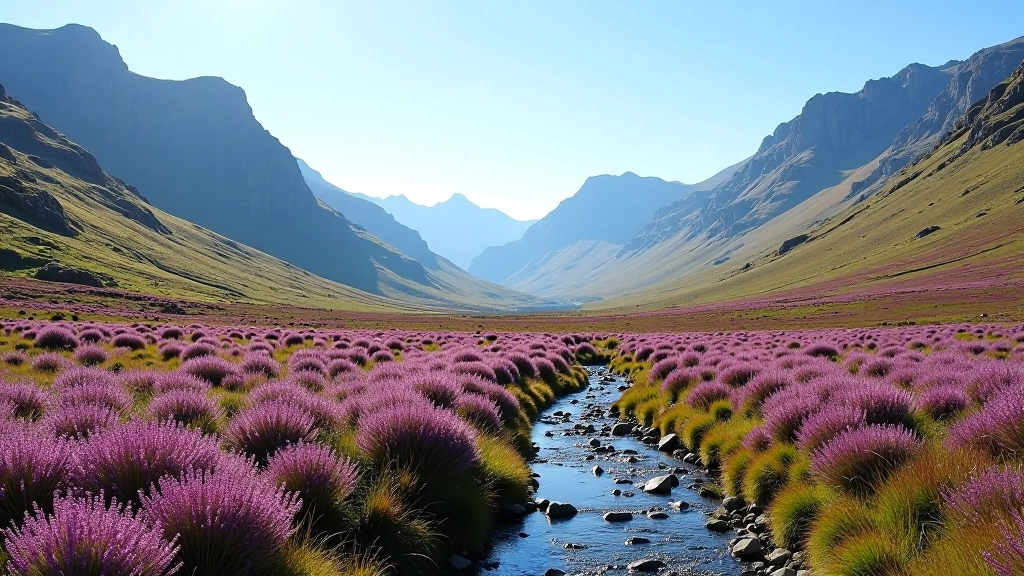
The whole walk takes about 3-4 hours for most people moving at a steady pace. It's not rushed. You're in a landscape that makes you want to stop regularly and just take it in — the water cascading down the mountainsides, the purple heather on the slopes, the way light changes across the rock faces throughout the day.
02
The Route: What to Expect
There are two main ways to experience the Gap. You can walk it as a point-to-point journey (Beaufort to Killarney, or vice versa) which requires shuttle transport, or you can do a circular route by combining it with the surrounding valleys and returning via a different path.
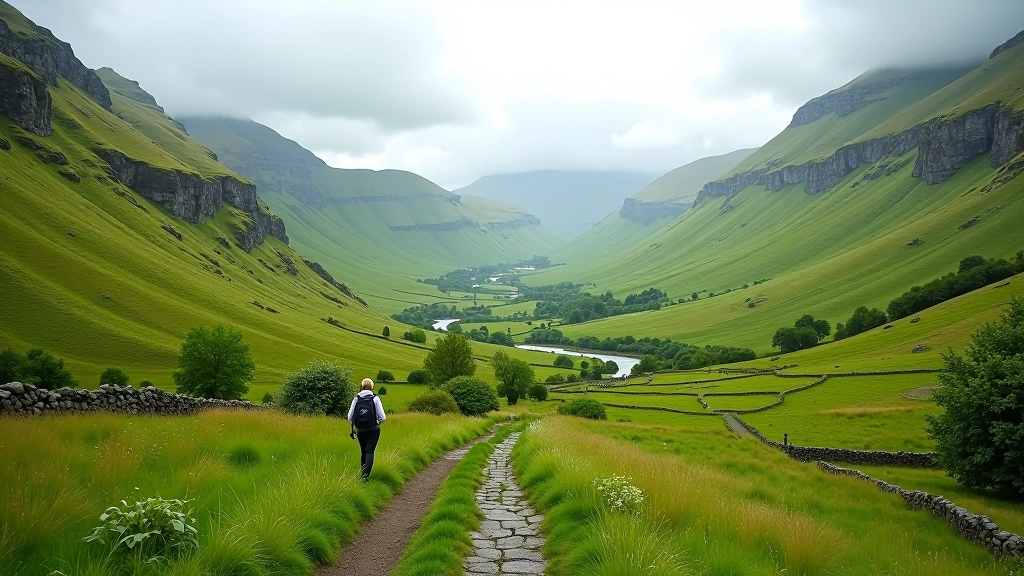
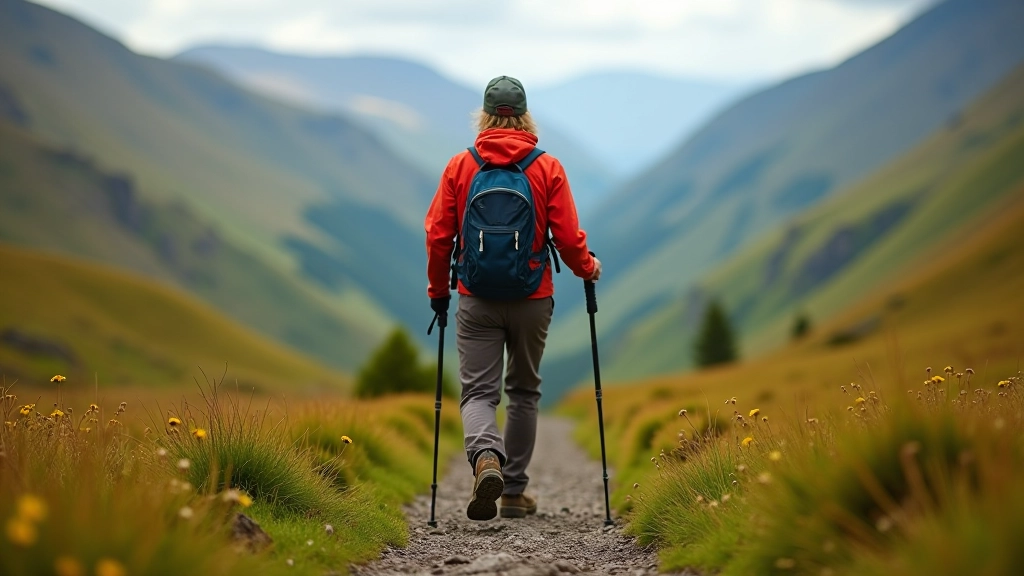
Most people find the point-to-point more appealing because you're always moving forward, not retracing your steps. The path itself is straightforward — it follows the valley floor for the first few kilometers, staying close to the stream. You'll pass through sections where the cliffs feel almost oppressive, towering directly above you. Then the landscape opens up slightly, and you get breathing room to appreciate the scale of it all.
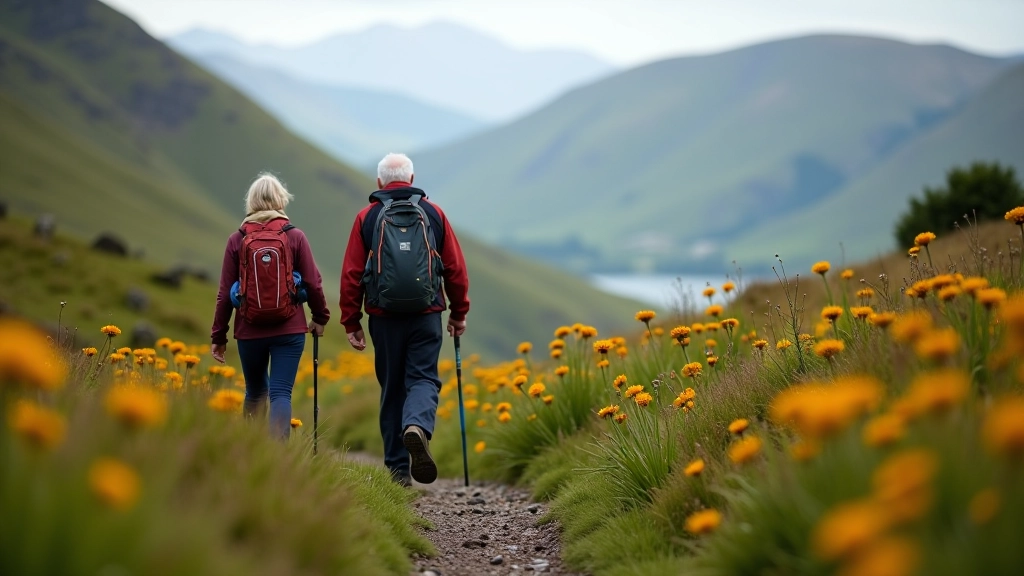
The terrain is mixed. Some sections have proper path with gravel underfoot. Other parts are more rugged — rocky, with uneven surfaces that need attention. It's not technical scrambling, but you can't zone out and walk blindly. That said, we've seen people in their seventies handle this comfortably. The key is pacing and not pushing too hard.
Walking Information Disclaimer
This guide is for educational purposes and provides general information about the Gap of Dunloe walking route. Conditions change seasonally and weather can alter terrain significantly. Always check current conditions before heading out, bring proper equipment, and consider hiring a local guide if you're unfamiliar with mountain walking. Individual fitness levels vary — what's manageable for one person might not be for another. We recommend consulting with a healthcare provider if you have concerns about your ability to complete this walk.
03
Best Times to Visit
Timing matters more than you'd think. Summer (June through August) is the obvious choice — long daylight, warmer temperatures, and generally more stable weather. But it's also when the Gap is most crowded. July especially can feel busy, particularly mid-afternoon when tour groups are moving through.
Spring and autumn are actually better for a more peaceful experience. May and September have excellent weather windows. The air is crisp, the light is softer, and you'll encounter far fewer people. April and October work too, though weather becomes less predictable. Winter isn't impossible, but the pass can be muddy and icy, making it genuinely risky for older walkers.
Start early regardless of season — aim for mid-morning at the latest. Weather can deteriorate quickly in the afternoon, and you don't want to be navigating rocky terrain in fading light. An early start also gives you the best chance of experiencing the Gap with fewer other walkers.
04
What to Bring & How to Prepare
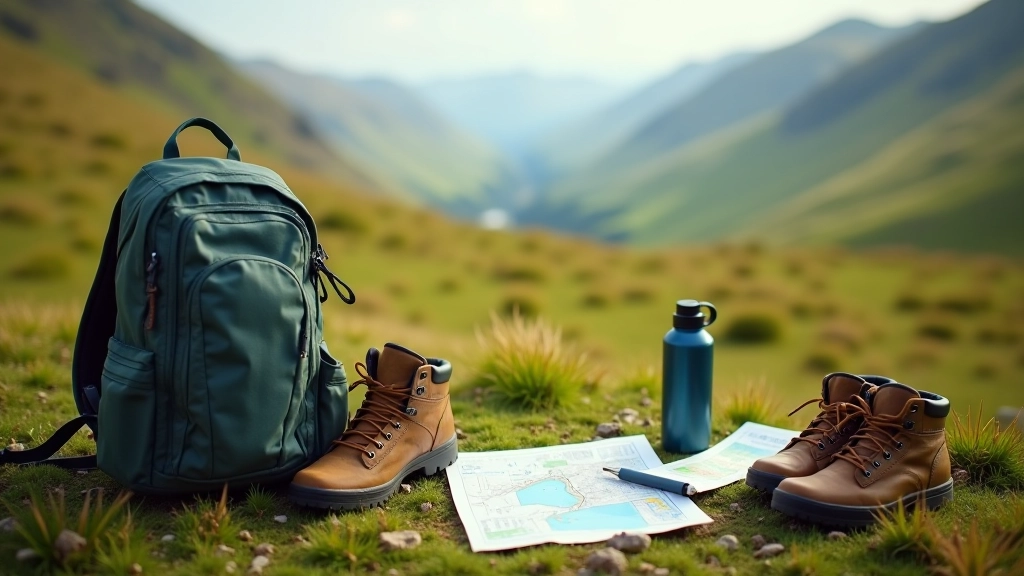
Don't underestimate preparation for this walk. You're in a mountain environment, which means weather can change rapidly. Start with proper footwear — waterproof hiking boots with good ankle support and grip. The rocky terrain will test your feet, and wet rocks are slippery. Regular trainers simply won't cut it.
Bring more water than you think you'll need. Two liters minimum. The walk takes 3-4 hours, and there's no reliable water source along the way despite the stream running through the valley. You can refill from the stream if absolutely necessary, but it's not recommended without treatment. Pack some high-energy snacks — trail mix, energy bars, or sandwiches. You'll want fuel halfway through.
Clothing matters. Layers are essential because the temperature changes as you move through the pass. Morning mist and cloud can roll in quickly, making it feel much colder. A lightweight waterproof jacket goes in the backpack even if skies look clear. Wear moisture-wicking socks — cotton holds sweat and causes blisters. Trekking poles reduce impact on knees during the descent if you're going Beaufort to Killarney (which has elevation loss on the second half).
The Gap Awaits
Walking the Gap of Dunloe isn't about conquering a mountain. It's about moving through a landscape that's been shaping itself for millennia, and feeling genuinely small in the process. The path is accessible without being trivial. The scenery is world-class without requiring mountaineering expertise.
People who've done it come back talking about the moment when the cliffs towered directly above them and they realized they were walking through something genuinely special. That's what the Gap delivers — not exhaustion, but perspective. If you're considering this walk, don't overthink it. Prepare properly, choose your season wisely, and go. You'll understand why it's remained Ireland's most iconic mountain pass for generations.
Quick Reference
- Distance: 6.5 km point-to-point
- Duration: 3-4 hours moderate pace
- Elevation change: 200-300m depending on route
- Best months: May, September, June-August
- Fitness level: Moderate with good footwear