Poisoned Glen, Donegal: Myth, History, and Accessible Paths
Discover one of Ireland's most captivating valleys—where ancient legend meets modern accessibility. Learn the real story behind the name, the best walking routes for all abilities, and why this hidden gem deserves a spot on your Irish adventure.
What You'll Find at Poisoned Glen
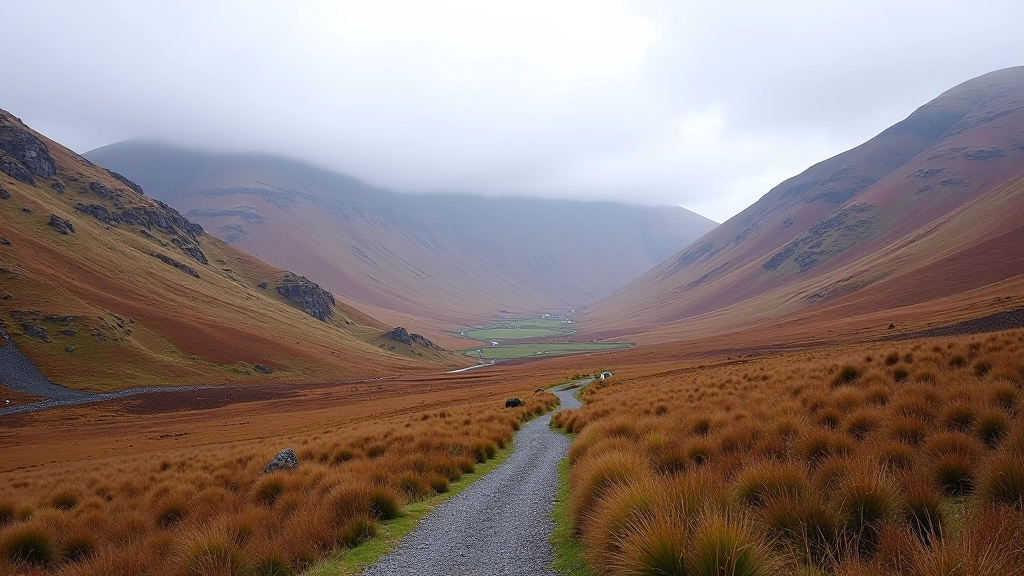
The Poisoned Glen isn't poisoned at all—and that's the whole story worth telling. Nestled in the Derryveagh Mountains of County Donegal, this valley captivates visitors with dramatic scenery, rich folklore, and walking paths that suit everyone from casual strollers to seasoned hikers. We've spent years guiding people through these trails, and we're here to share what makes this place genuinely special.
You'll discover how a mistranslation created one of Ireland's most evocative place names. You'll learn which paths work best if you're over 60 or prefer gentler terrain. And you'll understand why locals have cherished this landscape for centuries. Best of all? You don't need special fitness or expensive gear—just curiosity and comfortable walking shoes.
The Legend Explained
The name comes from an old Irish word mistranslation, not actual poison. We'll tell you the real story.
Multiple Route Options
From 2-hour valley floor walks to full-day ridge treks. Choose what suits your pace.
Genuine Accessibility
Specific routes designed for older walkers. Rest points, stable terrain, stunning views.
The Name: Poison, Language, and Legend
Here's the truth: there's no poison in Poisoned Glen. The name comes from the Irish "Gleann Nemhain," which actually translates to "Glen of Heaven" or "Glen of the Heavens." Somewhere along the way—through a combination of Irish language evolution, anglicization, and perhaps a bit of storytelling tradition—"Nemhain" got misheard as something darker. English-speaking visitors in the 19th century took it literally. The name stuck, and honestly? It's made the place more memorable.
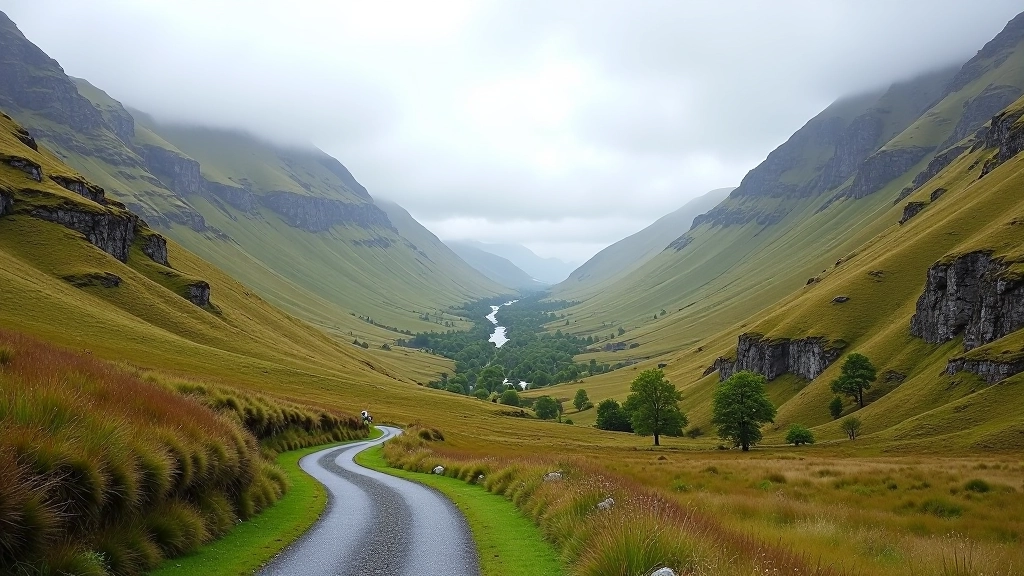
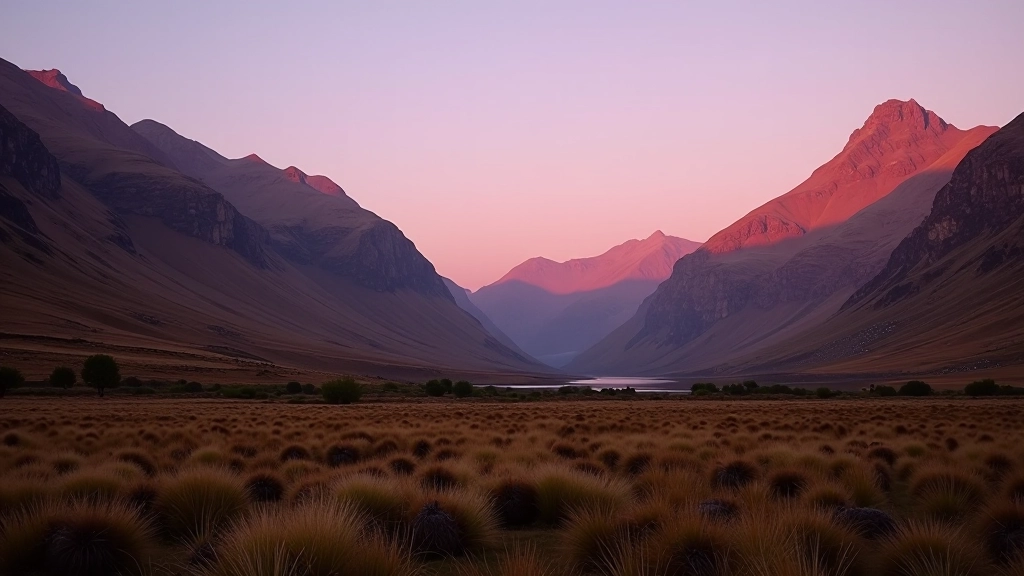
Local guides have been setting the record straight for generations. They'll tell you the Irish language contained layers of meaning—what sounds ominous in English might be poetic in Gaelic. The "poison" in the name is purely linguistic, not literal. What you'll find instead is one of Donegal's most breathtaking valleys, surrounded by quartzite peaks that turn pink and purple in evening light.
Some older stories do mention a giant named Balor living here, but that's Celtic mythology, not actual danger. The valley's real appeal lies in its stark beauty and the sense of remoteness—you're genuinely away from everything, yet the paths are well-established and relatively safe.
Walking Routes for Every Level
We've identified three main approaches to exploring Poisoned Glen. Choose based on your fitness level, time available, and what appeals to you—whether that's easy valley walking, moderate hill terrain, or a full mountain experience.
Valley Floor Loop (Easiest)
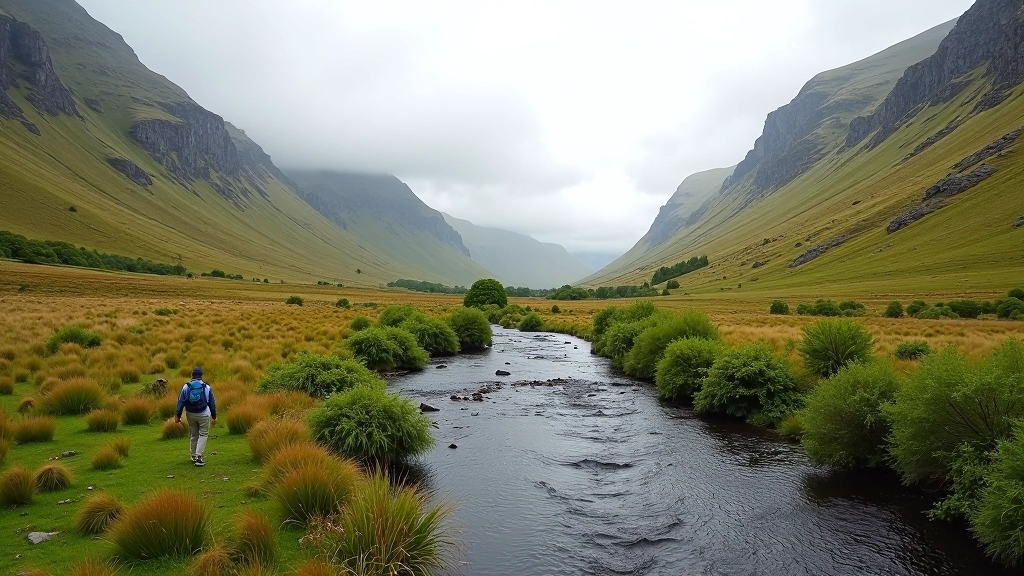
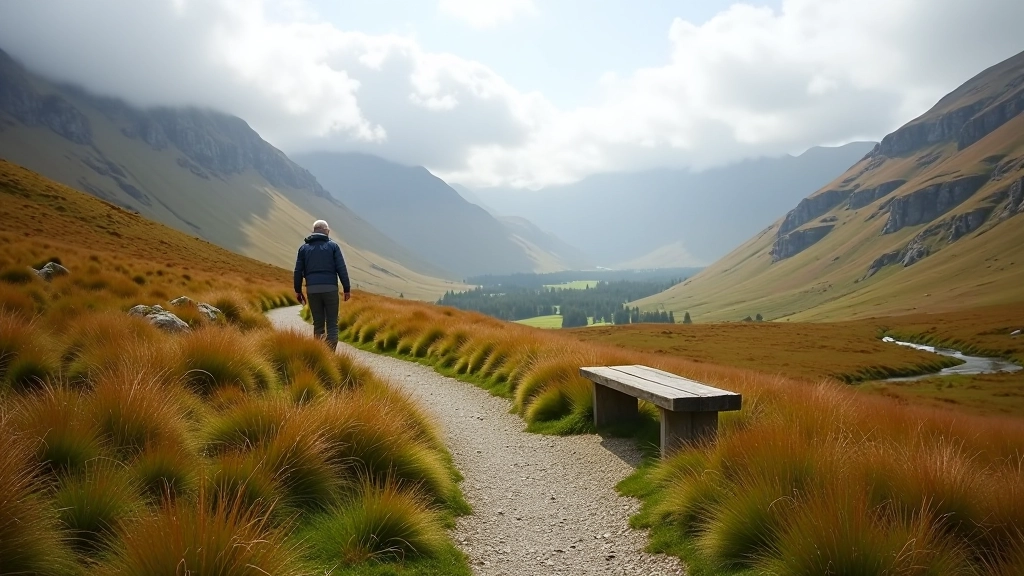
This is where we send most visitors over 65. You'll walk on relatively flat terrain beside the valley stream, surrounded by mountain walls. The path is clear, rest benches exist at natural viewing points, and you're never more than 500 meters from the car park. Spectacular scenery without technical difficulty.
Mid-Valley Ridge (Moderate)
For walkers with reasonable fitness. You'll ascend the eastern ridge gradually, gaining height over the valley. The climbing is steady but not steep. Views expand dramatically as you rise. Most people take this route and find it challenging but very rewarding. You don't need scrambling skills—it's hiking, not climbing.
Full Ridgeline (Advanced)
The complete experience. You'll traverse the ridgeline circling the entire valley, gaining real mountain perspective. This route requires good fitness, map skills, and weather awareness. The terrain includes rocky sections and steep drops—not dangerous if you're careful, but definitely a mountain walk, not a valley stroll.
Making Poisoned Glen Accessible
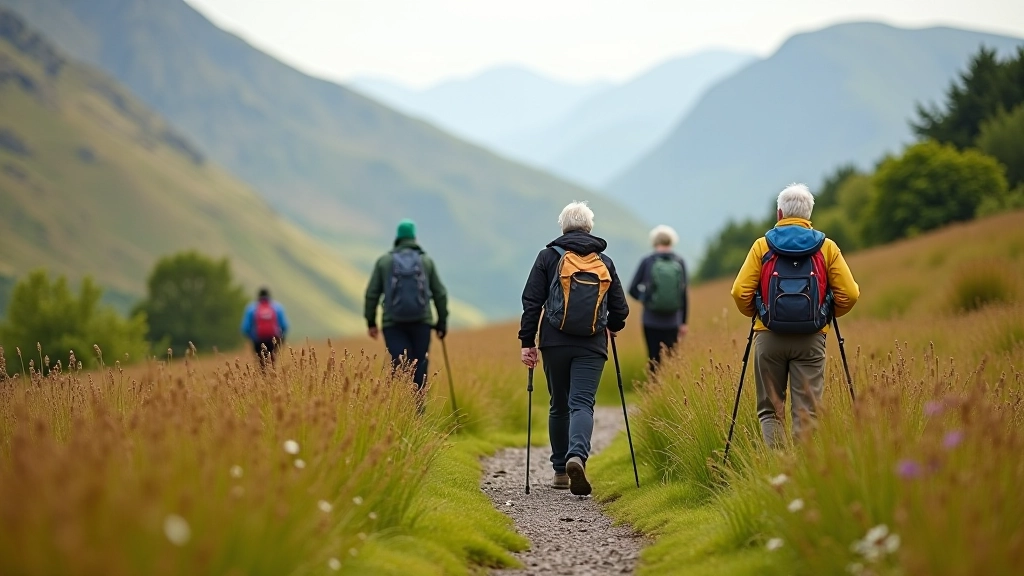
We've designed the Valley Floor Loop specifically with older walkers in mind. Here's what makes it genuinely accessible—not just theoretically, but in practice.
Planning Your Visit: Practical Details
When to Visit
April through September is ideal—drier weather and longer daylight. May and June offer the best combination of stable weather and comfortable temperatures. Winter isn't impossible, but the valley gets wet and boggy. Avoid January and February unless you're genuinely experienced with mountain conditions.
What to Bring
Good boots or hiking shoes, a windproof jacket, water (at least 1 liter), snacks, and a sun hat. The weather changes fast in mountains—don't assume clear morning means clear afternoon. Bring a basic first-aid kit and a mobile phone, though reception is spotty.
Getting There
The car park is near Dunlewy village, about 40 minutes from Letterkenny. It's well-signposted from the main road. There's no public transport to the trailhead, so you'll need a car. Parking is free and has space for 30+ vehicles.
Safety Notes
The valley floor walk is genuinely safe—you're in open terrain with clear paths. Higher routes require navigation skills and weather awareness. Don't attempt ridgeline walks in poor visibility. Tell someone where you're going and when you'll return.
Important Information
This guide is educational and informational in nature. While we've described routes accurately based on current conditions, mountain environments change constantly. Weather can deteriorate rapidly, and trails may be affected by flooding, erosion, or seasonal factors. We strongly recommend checking local conditions before visiting, bringing appropriate safety equipment, and considering a guided walk if you're unfamiliar with mountain terrain. Always prioritize your safety and physical capability—choose routes honestly and turn back if conditions feel unsafe.
Why Poisoned Glen Matters
Poisoned Glen isn't actually poisoned—it's genuinely stunning. The mistranslation that gave it its name has become part of its character. You'll arrive expecting something ominous and find instead one of Ireland's most captivating landscapes, where quartzite mountains rise dramatically from bogland and the only poison in the valley is the irony of the name itself.
For walkers over 60, the Valley Floor Loop offers something increasingly rare: genuine mountain scenery accessible without technical skill or extreme fitness. You'll walk where people have walked for centuries, see what locals see every day, and understand why they've cherished this place so fiercely.
The glen doesn't need exaggeration. The landscape speaks for itself—dramatic peaks, vast views, and the profound quiet you only find when you're genuinely away from everything. That's worth the journey to Donegal.