Surface Quality and Underfoot Conditions
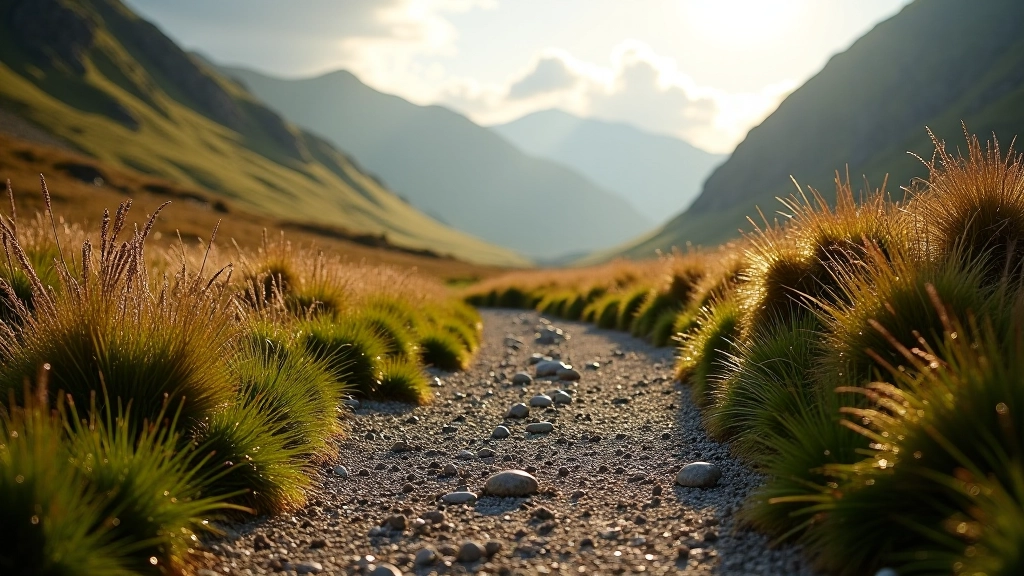
Here's the thing about mountain paths — not all surfaces are created equal. The difference between a comfortable walk and one that leaves your ankles sore for days often comes down to what's under your feet.
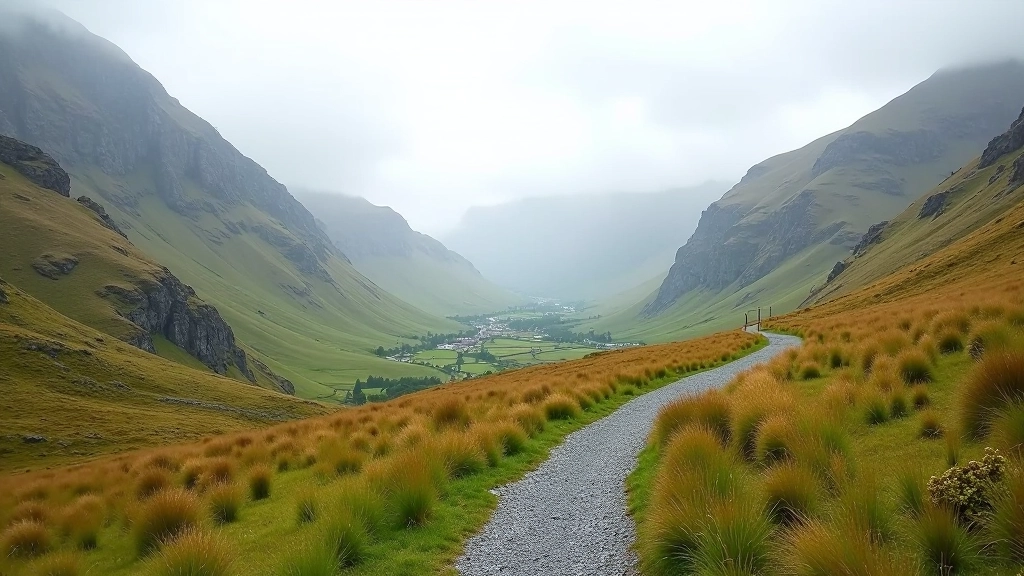
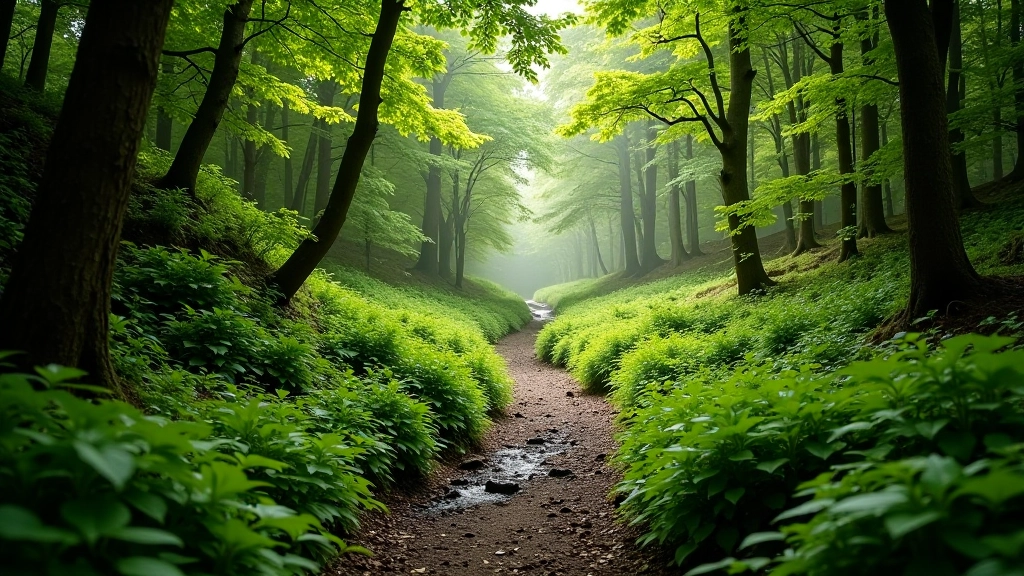
The best accessible trails have compacted earth or well-maintained gravel. You want something stable but not rock-hard. Loose scree, muddy patches, and exposed tree roots are the enemies of safe walking. We've found that paths with gentle gradient changes (less than 1 in 8 slope) let you walk naturally without your knees taking the impact.
Look for trails that've been cleared of debris. When there's fallen wood or loose stones scattered across your path, you're constantly looking down instead of enjoying the views. That's not really walking — that's navigating an obstacle course.
Trail Width and Passing Space
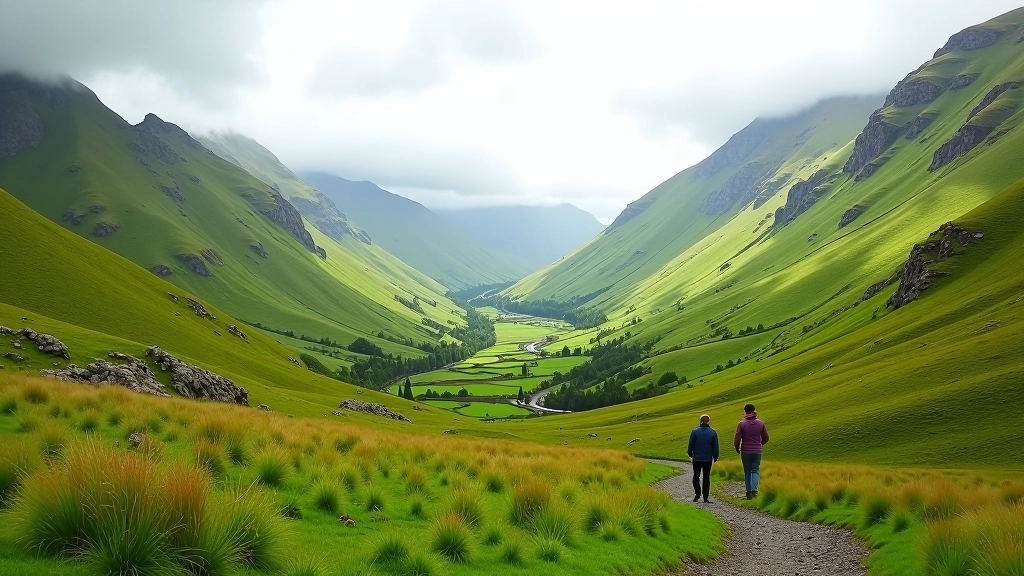
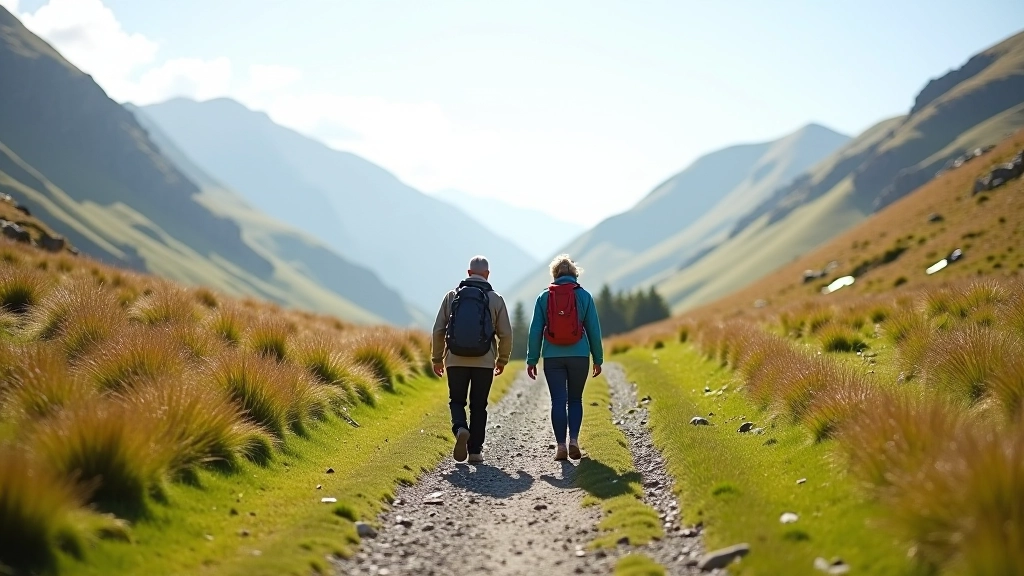
Narrow paths aren't just uncomfortable — they're genuinely risky. An accessible trail should be at least 1.5 to 2 meters wide at most points. This gives you space to walk normally without worrying you're one step away from a drop-off.
Think about what happens when you meet another walker on a narrow path. You're both shifting sideways, maybe one person steps onto rougher ground, and suddenly it's awkward. With proper width, you can pass each other safely. On the trails we recommend — the Gap of Dunloe valley floor sections and Glenmalure's main circuit — you'll find consistent width throughout most sections.
Avoid paths that pinch down to single-file. Even experienced walkers find them tiring because you're constantly managing your position rather than enjoying the rhythm of walking.
About This Guide
This article provides educational information about what makes mountain trails accessible for older walkers. Conditions vary by season and weather. Always check current trail conditions before planning your walk, and consider your own fitness level and any mobility considerations. We're not medical professionals — if you've got specific health concerns, talk to your GP before attempting mountain walks.
Gradient and Elevation Changes
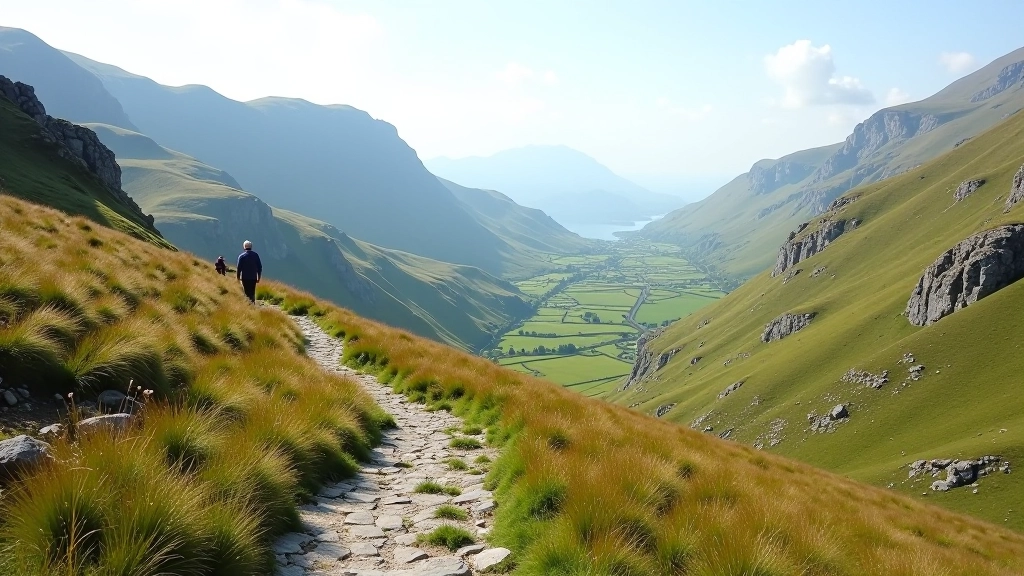
The gradient is where fitness and accessibility meet. You don't need flat terrain — that's unrealistic in the mountains. But you do need predictable, manageable slopes.
A 1 in 10 gradient (that's 10 meters forward for every 1 meter up) feels steady. Most people in reasonable fitness can manage this without stopping constantly. When it steepens to 1 in 8 or worse, your legs start working harder and your breathing becomes labored. Over 2-3 kilometers, that adds up quickly.
What's really helpful is knowing where the steep bits are. Some trails are flat for 80% of the route then have one brutal climb at the end. Others spread elevation changes evenly. The second option is always better — your body settles into a rhythm instead of saving energy for a final push.
Support Features: Handrails and Rest Points
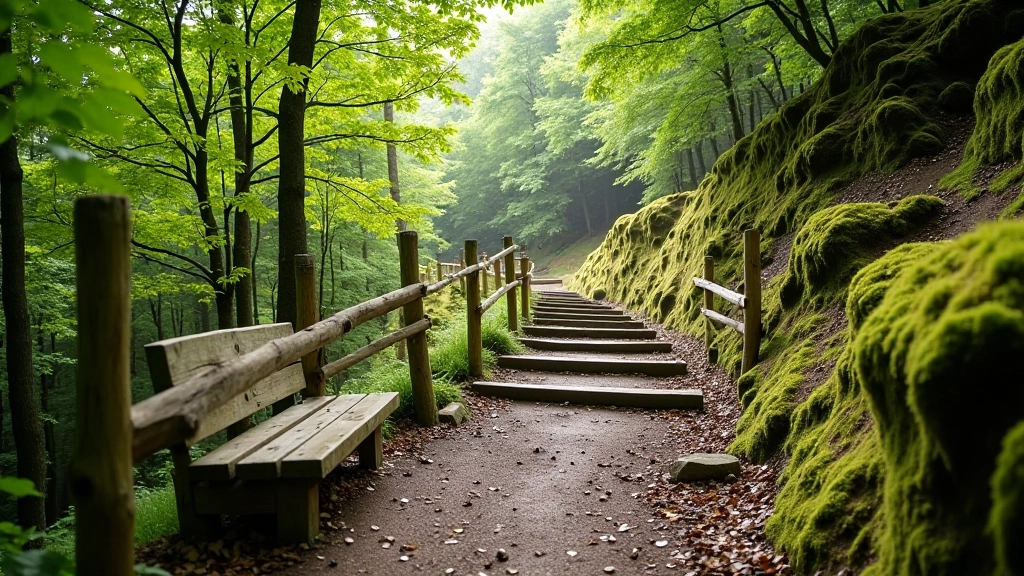
Don't underestimate the value of a good handrail. On steep or slippery sections, something solid to grip gives you confidence. It's not about weakness — it's about stability and safety. A rope or wooden rail on the steeper sections of the Gap of Dunloe makes a real difference.
Rest benches matter too. We're not talking about every 100 meters, but strategic placement — at the top of climbs, at viewpoints, near water sources — lets you pause without feeling like you've failed. A 5-minute sit-down with views across the valley isn't laziness. It's sustainable walking.
The best trails have benches that face something worth looking at. If you're going to stop anyway, might as well enjoy the scenery. It breaks up the walk psychologically too — you're not just trudging, you're stopping to appreciate moments.
Weather Exposure and Natural Shelter
Mountain weather changes fast. An accessible trail should have natural shelter options — trees, rock outcrops, or nearby buildings. You don't need a building on every corner, but knowing shelter exists nearby gives you options.
Exposed ridge walks look dramatic but they're tough for older walkers. Wind becomes a real force, sun exposure increases, and there's nowhere to shelter if conditions turn. The valley floor routes — like Glenmalure's main circuit — offer tree cover for most of the walk. That's not coincidence. It's what makes them genuinely accessible.
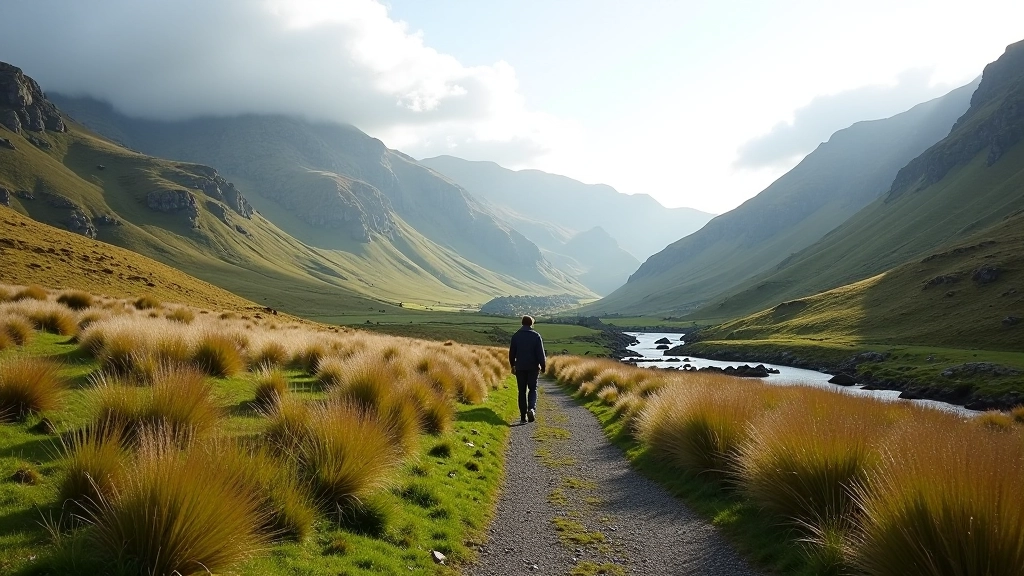
We've also found that trails with water access are valuable. Not for drinking necessarily, but knowing you can refill water bottles or splash cold water on your face if you're overheating makes a psychological difference. Plus, streams often mean gentler terrain nearby.
Making Your Choice
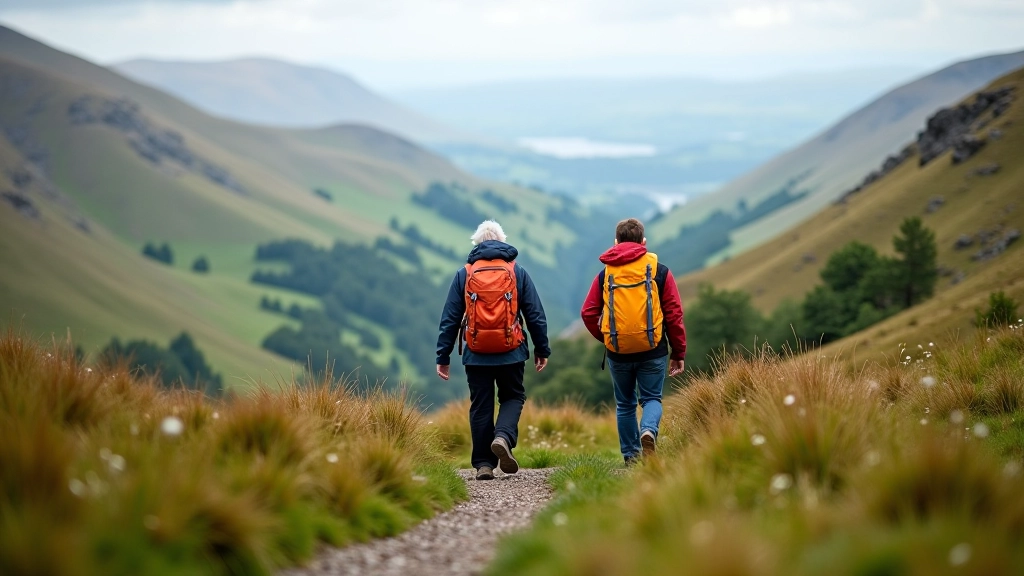
Accessible doesn't mean boring. The trails we've mentioned — Gap of Dunloe, Glenmalure, and the accessible sections of Poisoned Glen — are genuinely beautiful. They've got views, they've got history, and they've got character. They're just built in a way that doesn't punish you for being older or less fit.
When you're choosing a walk, check these five things. Surface quality. Width. Gradient. Support features. Weather exposure. You don't need all five to be perfect. But you need most of them to be decent. That's the difference between a walk you enjoy and one you endure.
Start with a shorter accessible route. Notice how your legs feel, how your knees respond, how far you can comfortably go. Build from there. Mountain walking isn't a race. It's supposed to be something you do because you love it. Choose your trails accordingly.